
Essential Techniques for a Smooth Wall Surface
Taping and mudding are crucial steps in achieving a flawless wall surface. These techniques help create seamless connections between drywall panels. When done correctly, they prevent visible lines and rough patches. This article explores how these methods contribute to professional-grade finishes. We will discuss benefits, challenges, solutions, and best practices.
The Importance of Taping
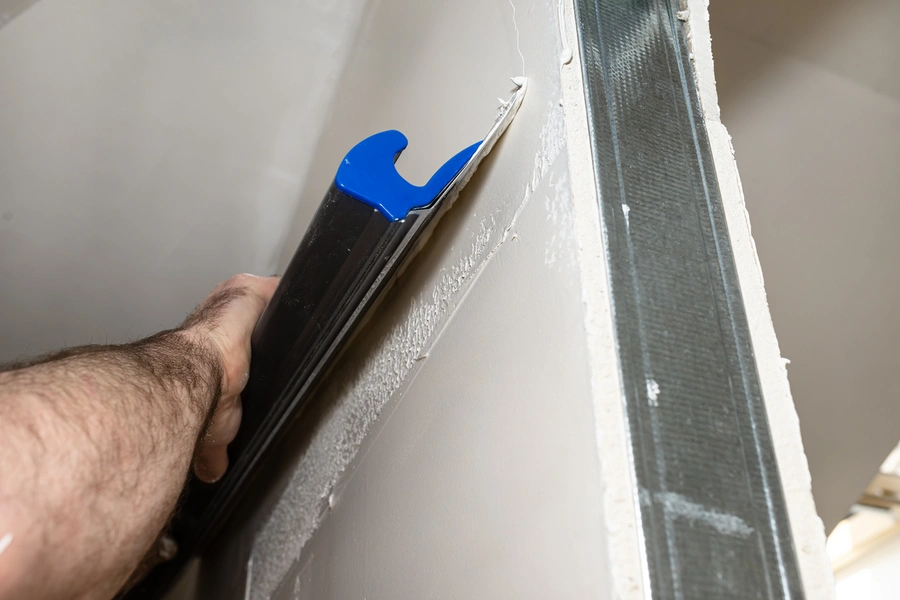
Proper taping involves covering the seams between drywall panels with joint tape. This step is essential for stability and smoothness. The tape acts as a bridge, holding the panels together and preventing cracks. Skipping or doing this step poorly can lead to unsightly seams later on. Investing time in correct taping ensures the structure’s integrity.
The Role of Mudding
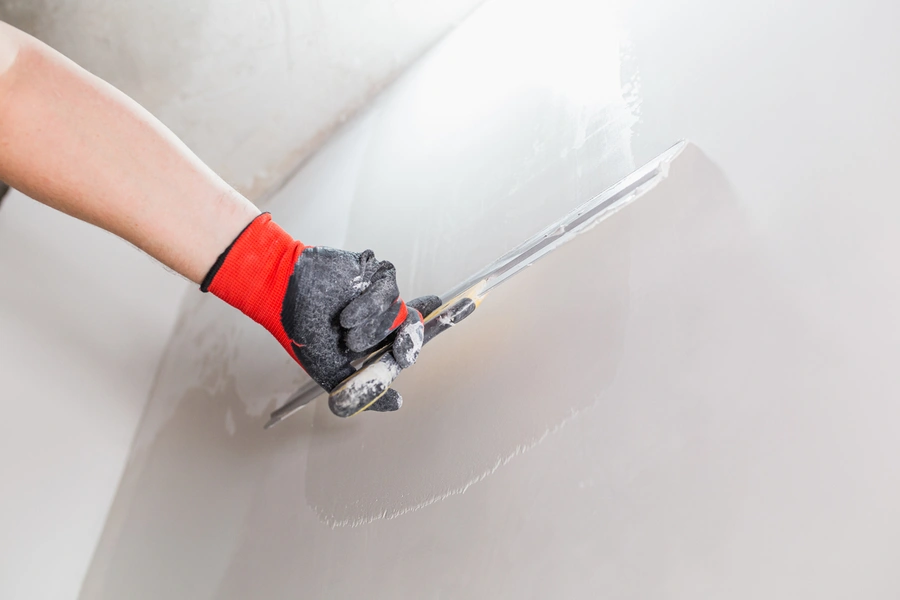
Mudding follows taping and involves applying joint compound over the tape. This process is key to smoothing out imperfections. The compound fills in gaps and creates an even surface. It also allows for texture application if desired. Without proper mudding, surfaces can appear uneven or unfinished. Mudding is an essential part of drywall finishing.
Benefits of Mastering These Techniques
Mastering taping and mudding offers several advantages. Firstly, it enhances overall aesthetics by creating a clean, polished look. Secondly, it increases durability, reducing future repair needs. Lastly, expert execution leads to better paint adhesion and longevity. Overall, these techniques are vital for achieving high-quality results.
Common Challenges Faced by Homeowners
Many homeowners struggle with taping and mudding due to a lack of experience. Common issues include bubbles under the tape, uneven mud layers, and visible joints. These problems often arise from improper technique or rushing through the process. Addressing these challenges requires patience and attention to detail.
Step-by-Step Solutions for Success
Achieving success with taping and mudding requires following these steps:
- Ensure all tools are clean and ready before starting
- Cut tape to fit each seam precisely
- Apply a thin layer of mud under the tape
- Smooth tape onto the seam using a putty knife
- Add more mud over the tape, feathering edges
- Let dry thoroughly before sanding lightly
- Repeat mud layers until smooth; usually takes three coats
- Sand final layer gently for an even finish
Best Practices for Optimal Results
There are several best practices to follow for optimal results. Use high-quality materials like fiberglass mesh tape and pre-mixed compound. Maintain consistent pressure while applying mud to avoid ridges. Allow each coat ample drying time to prevent cracking. Practicing these tips ensures a smoother and more durable finish.
Industry Standards to Consider
The industry sets specific standards for quality taping and mudding work. These include guidelines on material usage, drying times, and finishing levels. Contractors must adhere to these regulations to deliver satisfactory outcomes. Familiarity with such standards ensures compliance and customer satisfaction.
Cost Factors Involved in Wall Preparation
Costs vary based on project size, material choice, and labor rates. While some may opt for DIY approaches, hiring professionals often yields superior results. Pros bring expertise that minimizes costly errors. Evaluating costs against potential repairs highlights the value of investing in skilled services.
Contact Us With Your Drywall Needs
If you need assistance with your wall projects, our team is here to help! Call us at (404) 301-0738 for expert guidance on achieving pristine walls. Located in Atlanta, GA, we provide top-notch service backed by years of experience. Trust Mr. Gray's Interior Painting and Drywall Service for reliable solutions tailored to your needs.