
Effective Techniques for Professional Contractors
For contractors, mastering the art of applying drywall joint compound is crucial. It’s a fundamental skill that ensures smooth walls and ceilings. Without it, any project can look unprofessional. Learning the right techniques saves time and money and impresses clients. This guide will walk you through essential steps, highlight common challenges, and suggest best practices. With these insights, you’ll enhance your skills in no time.
Understanding the Basics of Joint Compound Application
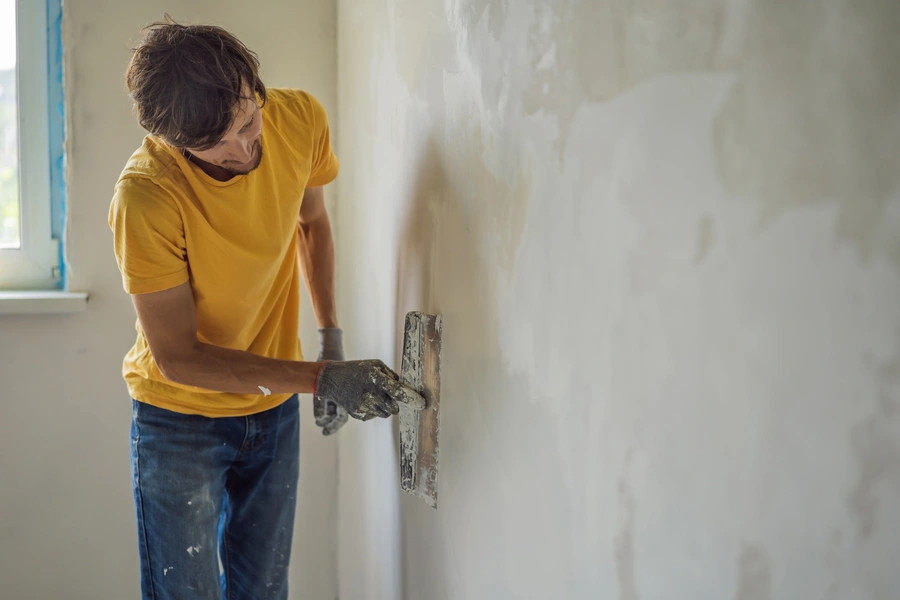
The process involves using joint compound to cover seams between drywall sheets. This technique requires precision and practice. Initially, it’s important to select the right type of mud for the job. There are three main types: lightweight, all-purpose, and setting compounds. Each serves different purposes and selecting the correct one is vital for success.
Tools Necessary for Quality Work
Using proper tools enhances the quality of your work when performing drywall mudding. Must-have items include taping knives, corner trowels, and sanding sponges. A hawk or mud pan holds your compound as you apply it. Investing in high-quality tools can make the task easier and more efficient.
Steps for Applying Joint Compound
To start, prepare your workspace by ensuring surfaces are clean and free of debris. Next, apply tape over the seams using a thin layer of compound underneath. Then, apply additional layers smoothly and evenly across the surface. Let each layer dry completely before adding another. Sand lightly between coats to ensure a flat finish.
- Clean the area thoroughly
- Apply tape with a thin layer of compound
- Add multiple coats, drying in-between
- Sand lightly after each coat dries
Overcoming Common Challenges
Even experienced contractors face hurdles during this process. One common issue is bubbling under the tape, which occurs if air gets trapped. To prevent this, press firmly while embedding the tape into the compound. Another challenge is cracking due to uneven drying; control this by applying thin coats.
Best Practices for Smooth Finishing
A smooth finish results from practicing patience and attention to detail. Always mix your compound thoroughly to remove lumps. Use long strokes with consistent pressure. Keep your tools clean to avoid dragging dried pieces through fresh compound, which could ruin your finish.
Industry Standards You Need to Know
Adhering to industry standards ensures quality and safety in every project. Check local building codes for specific requirements related to wall finishes. Following these regulations not only keeps your work compliant but also builds trust with clients who expect professionalism.
Cost-Effective Tips for Budget-Conscious Projects
Budget constraints often affect material choices and labor costs. To save on expenses without compromising quality, purchase materials in bulk whenever possible. Also, investing in durable tools reduces replacement costs over time.
- Buy materials in larger quantities
- Select durable tools for longevity
- Plan projects efficiently to minimize waste
Your Pathway to Flawless Walls Begins Here
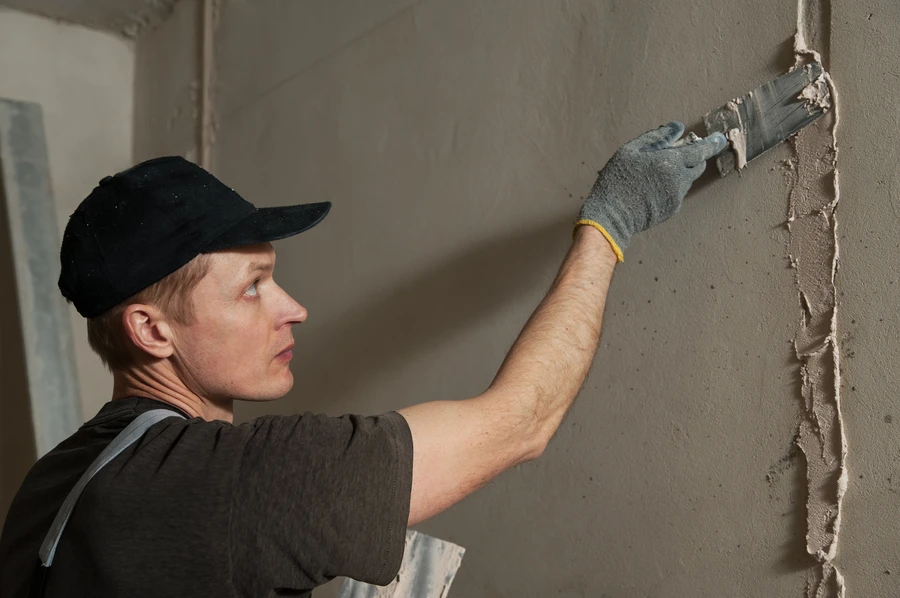
Improving your skills with drywall techniques significantly impacts project outcomes. Whether working on new constructions or renovations, mastery of this craft sets you apart from others in Atlanta, GA. At Mr. Gray's Interior Painting and Drywall Service, we prioritize delivering exceptional craftsmanship in every endeavor. For further professional guidance or inquiries about our services, reach out at (404) 301-0738. Our dedicated team is ready to support your needs.