
Exploring How Sanding Enhances Surface Quality in Construction
Sanding plays a crucial role in improving the quality of surfaces. Particularly in construction, where drywall is frequently used, sanding ensures a smoother and more appealing finish. If you aim for perfection in your projects, understanding the significance of this step is vital. This article delves into how sanding impacts the overall outcome of your work and offers practical insights into achieving that desired smoothness.
Why Sanding Matters in Surface Preparation
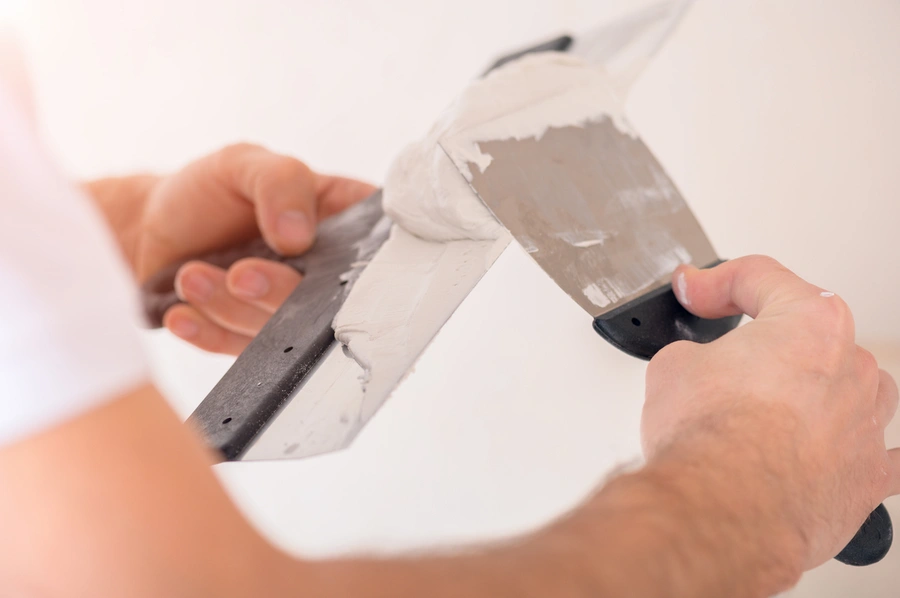
Sanding is essential in preparing surfaces because it helps to remove imperfections. When working with drywall, the surface may have bumps or uneven areas that need smoothing out. Through sanding, these imperfections are minimized, which helps achieve a flawless finish. This process is not just about aesthetics; it’s also about ensuring that paint or wallpaper can adhere properly. A well-sanded surface leads to better results and longer-lasting finishes.
Key Benefits of Proper Sanding Techniques
Using correct sanding techniques brings several benefits. Firstly, it enhances the look of the finished drywall. Secondly, proper sanding reduces labor time spent on corrections. Lastly, it can prevent future issues like peeling paint or visible seams. By investing time in mastering these techniques, you ensure superior quality and satisfaction for your clients.
Challenges Faced During Sanding
While sanding offers many advantages, it can also present challenges. Dust generation is one significant issue that workers face, as it affects air quality and visibility. Additionally, over-sanding can damage the surface by creating grooves or thinning the wallboard too much. Understanding these common pitfalls will help you avoid them during your project.
How to Effectively Sand for Best Results
Achieving excellent results from sanding involves following certain steps:
- Choose the right grit size for your sandpaper based on the level of roughness.
- Use gentle pressure to avoid damaging the drywall.
- Work in circular motions to ensure even coverage.
- Regularly check your progress to prevent over-sanding.
By adhering to these guidelines, you’ll attain a professional-level finish every time.
Best Practices for Safe and Efficient Sanding
Safety should always be prioritized when sanding. Wearing protective masks reduces inhalation risks, while goggles protect eyes from dust particles. Moreover, using a vacuum attachment on sanders minimizes airborne dust. These practices not only protect your health but also enhance efficiency by keeping your workspace clean.
Understanding Industry Standards for Wall Finishing
In any construction job, adhering to industry standards is key. Knowing the guidelines around drywall finishing ensures compliance and quality assurance. The standards define expectations for smoothness and consistency across surfaces, helping professionals deliver reliable outcomes clients trust.
Cost Implications of Proper Sanding
Investing in quality materials and tools for sanding may increase upfront costs but ultimately saves money by reducing future repairs and touch-ups. Clients value long-lasting finishes, which contribute positively to their return on investment (ROI). Highlighting these benefits supports informed decision-making regarding budget allocations.
Your Pathway to Superior Finishes Begins Here
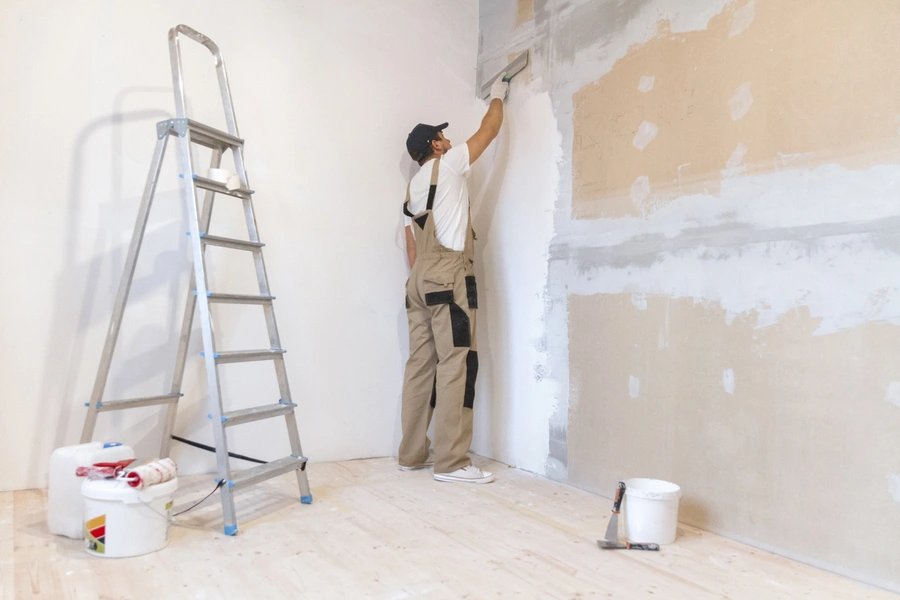
If you’re based in Atlanta, GA and seeking expert advice on achieving smooth finishes, reach out to us at Mr. Gray's Interior Painting and Drywall Service. Contact our team today at (404) 301-0738 for consultation and services tailored to meet your specific needs. Our commitment to excellence ensures that your projects reflect the highest quality standards achievable.